Rita Guedes reports severe complications after blepharoplasty
Actress describes keratitis, chemosis, and levator muscle paralysis after eye surgery
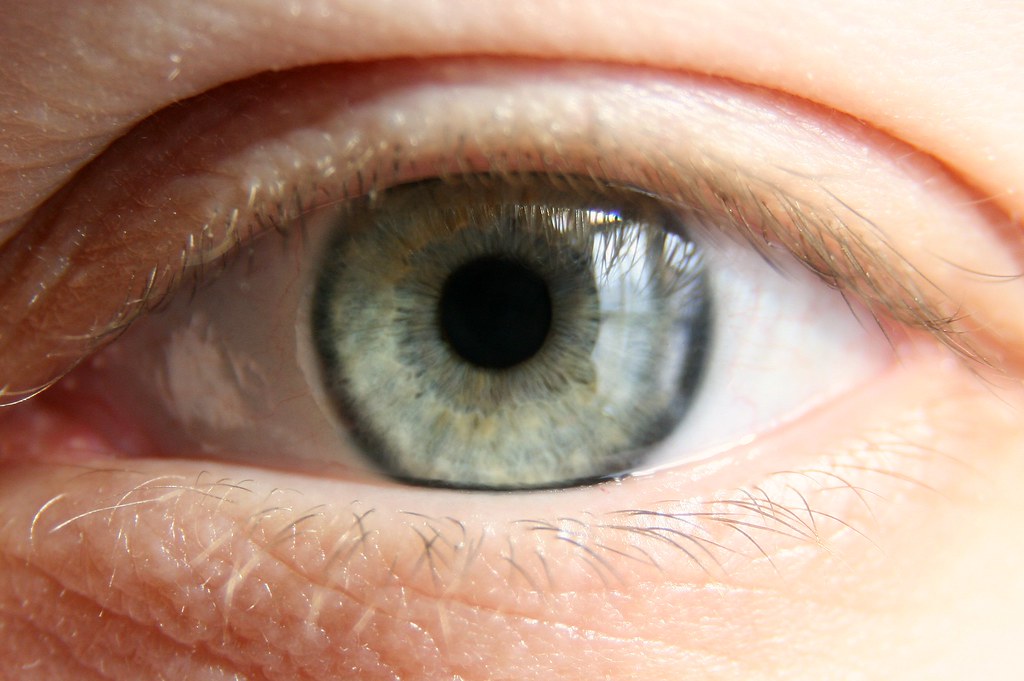
Rita Guedes, 54, disclosed in a video that the blepharoplasty performed in February resulted in complications that threatened her vision. The account raised questions about the choice of professional and the risks of the surgery.
Complications reported by the actress
The actress described keratitis, an inflammation of the cornea that causes pain and a gritty sensation, as well as chemosis, a swelling of the conjunctiva that can form blisters and make it difficult to close the eye. She also noted an alteration in the levator muscle of the eyelid, which was temporarily paralyzed, leaving her right eye approximately 60% open.
Possible causes of the injuries
Specialists indicate that chemosis usually improves within 15 days, but it can persist and injure the cornea if the eye does not close properly. Muscle paralysis can occur due to a cut or pinching during skin and fat removal, as the muscle is close to the fat pads. The possibility of thermal burn caused by cautery was also mentioned, which can affect the skin, eyelashes, or cornea.
Severe risks associated with blepharoplasty
Among the most serious complications cited is retrobulbar hematoma, bleeding behind the eye that can compress the optic nerve and impair vision, requiring immediate medical attention. Injuries that prevent eyelid closure can expose the cornea, leading to ulcers and, in extreme cases, perforation.
Corrective procedures and prognosis
When paralysis of the levator muscle persists, it may be necessary to reinsert it, a procedure that does not always guarantee full recovery. In cases of prolonged corneal exposure, a skin graft may be indicated to close the eyelid. The priority is to protect vision before seeking aesthetic correction.
Guidance for patients
Specialists warn that pain, blurred vision, purulent discharge, or a constant gritty sensation are warning signs that require urgent medical evaluation. Choosing a plastic surgeon or an ophthalmologist trained in oculopalpebral surgery is fundamental to minimize risks.
With information from Folha de S.Paulo.
Source: Folha de S.Paulo
Understand the topic
In-depth reporting from Explosão Solar that explains the subject of this story.