Privacy in Voice Assistants: How to Protect Your Home
Understand how smart speakers collect and process household audio and learn how to shield your personal data
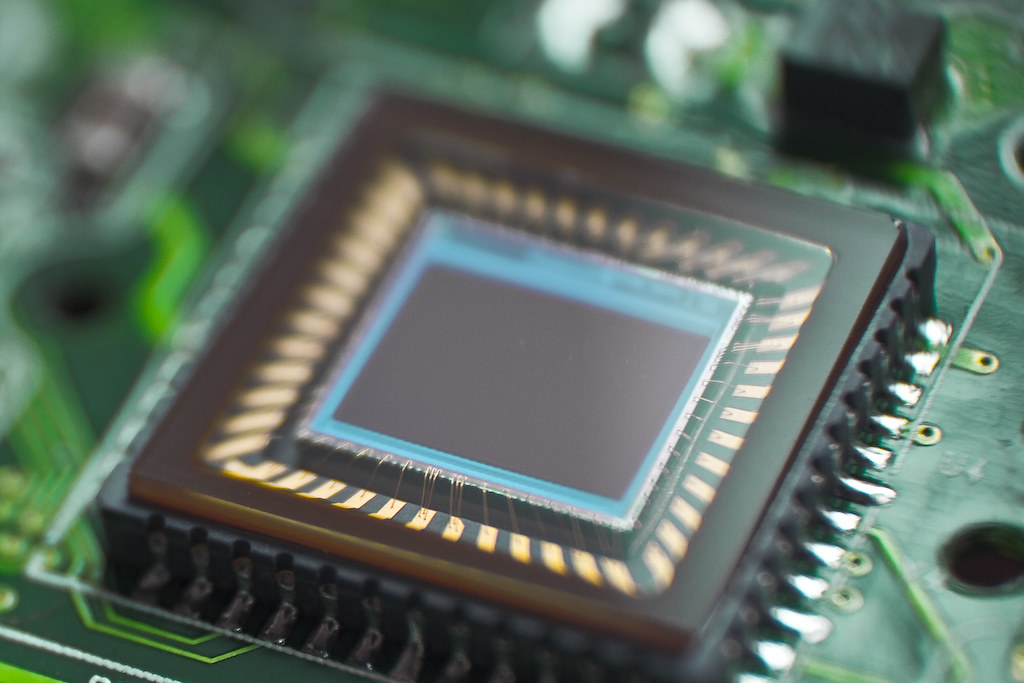
Voice assistants integrated into smart speakers, televisions, and cell phones have transformed the dynamics of contemporary households by offering convenience in controlling daily tasks. Behind the convenience of turning on lights, playing music, or checking the weather forecast with simple verbal commands lies a complex ecosystem of audio capture and processing that raises profound debates about individual privacy. Understanding how this technology works and the paths that information takes is the first step to ensuring digital security in the domestic environment.
The Evolution of Virtual Assistants and the Ubiquity of Home Microphones
Voice recognition technology has come a long way before becoming common in homes. In the past century, early experimental systems understood only digits and isolated words, requiring the user to artificially adapt their speech. With the advancement of computing and the development of dictation software in subsequent decades, voice processing began to be used in corporate professional environments, but still relied on lengthy individual training for the system to adapt to each operator's accent and intonation. The major technological turning point occurred with the consolidation of cloud computing and the advancement of machine learning models, which allowed the heavy processing load to be transferred from local computers to high-capacity remote servers.
This paradigm shift made the emergence of modern virtual assistants viable, transforming them from exclusive desktop computer tools into the operational core of home-dedicated devices. The drastic reduction in the manufacturing cost of electronic components, especially microphones based on micro-electromechanical systems, allowed manufacturers to integrate high-sensitivity audio capture into an infinity of everyday devices, from speakers to refrigerators and lighting systems. Today, these devices not only listen to commands, but are designed to seamlessly integrate into family decor and routines, operating silently and almost invisibly in daily life.
The business model that sustains the proliferation of these devices has also undergone significant transformations. Initially sold as technological convenience products, voice assistants began to function as gateways to integrated service ecosystems and continuous consumption. By making hardware devices available at affordable prices, technology companies seek to build consumer loyalty to their platforms, facilitating impulse purchases, audio streaming service subscriptions, and the acquisition of other compatible devices for home automation. This commercial dynamic makes the constant collection of behavioral and voice data a valuable asset for improving recommendation algorithms and creating highly detailed consumption profiles.
The Technical Path of Audio from the Domestic Environment to the Cloud
To understand how voice assistants manage privacy, it is essential to analyze the technical flow that occurs from the moment a word is spoken until the requested task is executed. The smart device remains in a constant state of passive listening, monitoring the physical environment for a specific sound pattern known as a wake word. This initial monitoring is performed locally by a low-power chip called a digital signal processor. This component continuously records ambient audio into a temporary memory of a few seconds, constantly overwriting old data. The audio recorded in this initial stage of passive listening is not sent to the internet; it only serves for the local algorithm to verify whether the wake word was indeed pronounced by the user.
When the local processor identifies the wake word, the device's behavior changes immediately. The glowing ring or visual indicator of the device is triggered, signaling that active data transmission has begun. From that moment on, the audio stream captured by the microphone is converted into digital data packets, encrypted, and transmitted via the home wireless network to the cloud servers of the company responsible for the service. It is on the remote servers that the heavy processing of the information takes place, using automatic speech recognition algorithms to convert sound waves into programmable written text. Next, natural language processing systems interpret the meaning of the text, identifying the user's intent and determining the appropriate response or action.
This entire cycle occurs in fractions of a second. However, the process does not end with the response. The audio file sent to the cloud and the corresponding transcription are usually stored in the company's databases, associated with a unique account identifier. This historical storage is used to feed machine learning models, allowing the assistant to better recognize the user's voice in future interactions and adapt to specific accents and background noises of each residence.
Silent Vulnerabilities and the Risks of Information Leaks
Despite the security guarantees offered by manufacturers, the continuous flow of data between the residence and cloud servers presents several technical vulnerabilities that can expose users' intimacy. One of the most common and complex problems to solve is accidental activations, also known as false positives. This occurs when the local digital signal processor mistakenly interprets a word spoken in a casual conversation, a television program, or a radio broadcast as the device's wake word. When this happens, the device starts recording and transmitting ambient audio without the residents realizing it, capturing confidential dialogues, family discussions, financial details, or health information that should never have left the home environment.
Another weakness lies in the human review process adopted by many companies in the technology sector. To calibrate the precision of voice recognition algorithms and correct interpretation flaws, teams of outsourced employees and service providers are hired to listen to real samples of audio recordings sent by users. Although companies state that these samples go through de-identification processes to hide account identities, security audit reports have already shown that recordings often contain sufficient contextual information to identify the user or reveal sensitive commercial and professional secrets. Exposing intimate conversations to third parties without the explicit and detailed consent of the consumer represents a significant violation of privacy.
Furthermore, the integration of voice assistants with application ecosystems developed by third parties considerably broadens the attack surface for intrusions and leaks. When a user installs extensions or complementary programs to perform specific tasks, such as ordering food, playing games, or managing tasks, the voice assistant can share profile data and command transcriptions with external servers controlled by other companies. These third-party developers do not always adopt the same rigorous security and encryption standards as large tech corporations, creating weak links in the data protection chain that can be exploited by malicious actors to gain unauthorized access to interaction histories and personal information.
The Practical Impact of Constant Monitoring on Consumer Life
The presence of continuous active listening devices in homes generates profound impacts that go far beyond the risk of leaking individual audio files. The main practical reflection lies in the ability to create extremely detailed behavioral profiles about residents. By analyzing the frequency of voice assistant use, activation times, types of questions asked, and even background noises captured during recordings, technology companies are able to accurately map the daily routine of the home. Information such as the time residents wake up, when they arrive from work, the presence of children or pets in the residence, and the entertainment products consumed are inferred from ambient sound.
These refined behavioral profiles possess immense commercial value in the targeted advertising market. Although companies claim they do not directly sell voice files to advertisers, data extracted from transcriptions and usage behavior are frequently integrated into large digital ad networks. This explains why many consumers report starting to see ads for specific products on their social networks or internet browsers shortly after having verbally discussed those same items in the presence of a voice assistant or a connected smartphone. This ultra-specific ad targeting can invisibly influence purchase decisions and induce unwanted consumption patterns.
There is also a subtle, yet relevant, psychological impact associated with the feeling of constant surveillance within one's own home. The home has always been considered the ultimate refuge of privacy, where people feel free to express themselves without external judgment or monitoring. The introduction of smart microphones connected to the internet alters this perception of psychological safety, leading some users to consciously moderate their conversations or avoid certain subjects out of fear that their words are being recorded and analyzed by algorithms. This behavioral shift reflects how voice technology can gradually redefine the boundaries of what we consider private space in the digital age.
Effective Strategies to Shield Privacy Indoors
Ensuring information confidentiality in a home equipped with voice assistants requires an active security management posture on the part of the user. The simplest and first protection measure consists of the systematic use of physical mute buttons present on most smart speakers. These buttons act directly on the device's hardware, physically interrupting the power supply to the microphone or disconnecting the audio capture circuit. By muting the device during confidential conversations, remote work meetings, or moments of family intimacy, the user absolutely prevents the device from performing any sound recording or transmission, eliminating the risk of false positives.
Another essential practice is the periodic review and deletion of the voice interaction history stored in technology service accounts. The privacy dashboards of major platforms allow consumers to view all audio recordings captured by the assistant and their respective text transcriptions. It is recommended to configure the automatic deletion of these records, setting short deadlines for the system to erase data without the need for constant manual intervention. In addition, users must expressly disable the option to share their recordings for algorithm improvement or human review purposes, strictly limiting the use of data to the immediate processing of voice commands.
The security of the home wireless network also plays a crucial role in protecting against data interceptions. Internet of things devices, including voice assistants, should preferably be connected to a secondary wireless network, commonly called a guest network, isolating them from the home's main computers, cell phones, and file storage systems. This network segmentation ensures that if a smart device is compromised by a security flaw, the intruder cannot easily move across the local network to access sensitive data stored on other computers in the residence. The adoption of robust and exclusive passwords for the accounts associated with the assistants, combined with the mandatory activation of two-factor authentication, creates robust additional barriers against unauthorized access.
The Future of Voice Privacy and Local Processing Trends
The growing debate over data privacy has driven the tech industry to seek architectural solutions that minimize reliance on cloud servers for voice assistant functionality. The main trend for coming years is the consolidation of edge computing, which consists of performing data processing as close as possible to where it is generated. Thanks to the development of home processors equipped with dedicated neural processing units, new voice assistant models are starting to be capable of performing automatic speech recognition and natural language processing entirely locally, inside the device itself and without the need for a constant internet connection.
This local approach brings substantial benefits to consumer security, as the audio captured by microphones does not need to travel across external networks nor be stored on third-party servers for the command to be executed. In addition to drastically reducing the risk of data leaks and interceptions, local processing decreases the assistant's response time and ensures the operation of basic home automation commands even in situations of internet connection drops. The role of cloud computing will become complementary, being called upon only for complex queries that require access to external databases in real time, such as web searches or news updates.
Regulatory evolution also plays a decisive role in shaping future voice technologies. The consolidation of modern personal data protection legislations, such as the Brazilian personal data protection legislation, imposes strict limits on the indiscriminate collection of information and requires companies to offer clear and transparent mechanisms for consent and data deletion. This legal pressure forces manufacturers to adopt the principle of privacy by design, developing products that prioritize user security from the initial design phase of hardware and software. In the long run, transparency and respect for consumer privacy will cease to be merely market differentials and become mandatory compliance and business survival requirements in an increasingly connected world.