How popular culture became a silent force in diplomacy
Mass entertainment, from movies to music, redefines the prestige and influence of nations on the geopolitical stage.
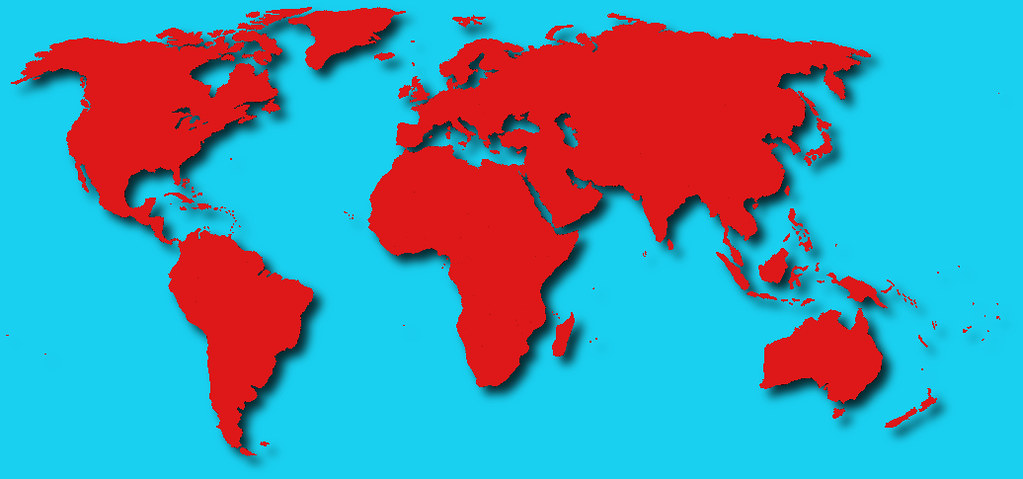
A nation's ability to project its image beyond its geographical borders no longer depends exclusively on its military arsenal or financial might. In the era of global connectivity, popular culture has emerged as one of the most effective channels of public diplomacy, transforming entertainment products into strategic tools of attraction and persuasion. By consuming foreign films, songs, and characters, the public establishes deep emotional connections that eventually shape long-term political and economic perceptions.
The transition from traditional power to symbolic influence
For centuries, a state's strength was measured by its capacity for direct imposition, whether through economic pressure or military force. This classical model of action, while still relevant for global security, began to share space with more subtle mechanisms of persuasion starting in the mid-20th century. With the consolidation of mass media, it became clear that the ability to shape others' preferences through charisma, culture, and political values could be just as effective as, or even more effective than, coercion. This phenomenon, theorized at Harvard University as soft power, redefined the strategies of international integration for the major powers.
Traditional public diplomacy, once restricted to official statements and formal agreements between chancelleries, expanded to directly engage civil societies in other countries. In this new scenario, popular culture acts as a kind of spearhead, capable of breaking through ideological and geographical barriers that career diplomats would rarely manage to cross. When a country exports its lifestyle, consumption habits, and worldview through easily digestible cultural products, it creates an environment of familiarity and sympathy. This process reduces natural resistance to the foreigner, facilitating the acceptance of trade partnerships and alignment in international forums.
Historically, the most evident example of this transition occurred during the Cold War. While superpowers disputed military hegemony, the diffusion of consumer goods, fashion, and cinema played a silent yet devastating role in the downfall of closed regimes. The aspiration for a certain standard of living, broadcasted by movie screens and radio waves, proved to be an irresistible force of social transformation. Today, in the era of social networks and continuous streaming platforms, this flow of influence has become instantaneous and decentralized, allowing nations of lesser military expression to also compete for the attention and sympathy of the global public.
With the advent of commercial internet and the subsequent flourishing of digital social networks, this ecosystem of influence has become even more complex and dynamic. If in the past cultural projection depended on large media conglomerates and physical distribution channels, today any local cultural manifestation has the potential to go viral and reach a global audience within hours. This decentralization has allowed nations traditionally marginal in geopolitical debates to find highly engaged niches of influence. Digital sovereignty and the ability to manage narratives on global platforms have come to be considered strategic defense and diplomacy priorities for governments attentive to the transformations of modernity.
Cinema and audiovisual productions as global showcases
Cinema and television series represent the most sophisticated tools of cultural projection known. By combining visual narrative, soundtrack, and dramatic performance, the audiovisual medium manages to transport the spectator to distant realities, generating immediate empathy for specific characters and ways of life. The North American film industry, based in California, understood this mechanism from the early 20th century, establishing an aesthetic and narrative standard that educated entire generations across the planet. Through its productions, values such as individualism, freedom of enterprise, and heroism were universalized, associating that country's image with the very idea of modernity and progress.
However, the monopoly of this audiovisual narrative has been challenged by new production hubs that have understood the geopolitical value of their creative industries. South Korea's case is emblematic. Through consistent investments in the cultural sector starting in the late 20th century, the Asian country promoted a true export wave of soap operas, films, and series that conquered massive audiences in the West and in other Asian countries. This strategy not only generated billion-dollar revenues from licensing and tourism, but also repositioned the nation's image—previously associated with armed conflicts—as a dynamic center of innovation, fashion, and technological sophistication.
For Brazil, the audiovisual sector has also historically been a channel of connection with the world. Brazilian telenovelas, recognized for their high technical quality and the depth of their scripts, have been exported to more than a hundred countries for decades. National productions that portray the geographic diversity, musical richness, and social dilemmas of the country have achieved enormous success in places as distinct as Eastern Europe, Latin America, and the African continent. This continuous exposure keeps Brazil alive in the imagination of millions of people who otherwise would have little or no contact with Brazilian reality, paving the way for tourism and interest in our language.
The consolidation of global video streaming platforms drastically accelerated this process of decentralization. By making multilingual catalogs available to subscribers on all continents, these technology companies transformed local productions into planetary audience phenomena without the need for traditional intermediaries. Series produced in Spain, Scandinavia, or Latin America began to directly compete for public attention with Hollywood blockbusters. This ease of access fosters a renewed curiosity for different cultures, forcing governments to rethink their promotion policies for creative industries as an inseparable part of their international integration strategies.
Music and the phonographic industry in bringing peoples closer
Music possesses the unique property of transcending linguistic barriers almost instantaneously. Rhythms, melodies, and harmonies communicate emotions that dispense with literal translation, making the phonographic industry one of the most agile vectors of cultural diplomacy. When a song becomes a global hit, it carries with it the sound, language, and identity of its country of origin, creating an immediate positive association. Recent history shows that the circulation of musical genres has the power to redefine the international perception of entire societies, humanizing them and bringing them closer to distant publics.
The projection of popular music from the United Kingdom starting in the 1960s exemplifies how a nation's sound can rejuvenate it before the world. British bands not only dominated global charts, but also exported an aesthetic of rebellion and innovation that contrasted with the country's traditional and imperialist image. Likewise, the rise of K-pop in recent decades demonstrated that the language barrier can be overcome through complex choreography, impeccable visual productions, and a strong digital presence. This musical phenomenon transformed youth from diverse continents into avid consumers of South Korean products and dedicated students of the Korean language.
In the Latin American context, rhythms like reggaeton and bossa nova played similar roles in distinct eras. Bossa nova, with its sophistication and lightness emerging in the late 1950s, introduced the world to a modern, urban, and poetic Brazil, far from purely exotic stereotypes. More recently, the explosion of urban rhythms in Spanish repositioned Latin America as the epicenter of global pop music, generating a renewed interest in Hispanic culture. Music, therefore, acts as an aesthetic invitation that opens doors for political dialogue and academic and commercial exchange.
The digital music distribution ecosystem, driven by recommendation algorithms and short-video-focused social networks, has redefined the life cycle of musical hits. Currently, a traditional folk song or a peripheral rhythm from a South American city can become the background music for millions of videos created by users around the world. This type of organic engagement generates a connection that goes far beyond passive listening. The listener actively interacts with the other's culture, assimilating slang, dance steps, and visual elements that strengthen the positive image of that society and awaken the desire to experience its reality up close.
Comics, animations, and the construction of national heroes
Comics and animations constitute fertile ground for the creation of contemporary mythologies. Unlike traditional literature, the combination of text and image allows for rapid and highly impactful assimilation, especially among younger generations. The superheroes of major North American publishers, created in the mid-20th century, frequently carried patriotic messages and the defense of democracy that served as indirect propaganda in times of global conflict. These characters became universal symbols of justice, but always anchored in the aesthetics and values of their society of origin.
On the other hand, Japan developed one of the most influential visual entertainment industries on the planet through manga and anime. Following the traumas of the post-war period, the Asian country used its rich artistic tradition to create visual narratives that conquered the global public. By exporting stories of fantasy, technology, and overcoming adversity, Japan managed to rebuild its international image, transitioning from an aggressive military power to a hub of creativity, delicacy, and technological innovation. This strategy of promoting Japanese pop culture generated a legion of admirers worldwide, who associate the country with hospitality, precision, and modernity.
The importance of these characters lies in the creation of emotional bonds that last a lifetime. A child who grows up watching a certain country's animations or reading its comics tends to develop, in adult life, a favorable predisposition toward that nation. This translates into everyday choices, such as a preference for that country's tech brands, the desire to learn the language, or the choice of tourist destinations. Visual fiction, therefore, ceases to be merely children's and youth entertainment and becomes part of a nation's long-term geopolitical influence infrastructure.
Major events and the consolidation of the national image
The staging of major international events, such as music festivals, art exhibitions, and global-scale sporting competitions, functions as a high-visibility showcase for the host country. These moments offer the unique opportunity to concentrate the world's attention on a single geographic point, allowing the country to demonstrate its organizational capacity, cutting-edge infrastructure, and, above all, hospitality. The live broadcast of such events to billions of people simultaneously creates a collective experience that can profoundly alter international perception regarding a nation.
In addition to demonstrating technical and logistical capacity, major events serve to project a society's values. Music festivals that bring together artists of diverse nationalities convey a message of openness, tolerance, and cosmopolitanism. In the sports arena, the consecration of athletes carrying national colors on global arenas generates a feeling of admiration that transcends geopolitical disputes. Athletic victory or the impeccable organization of an international tournament are frequently associated with the efficiency, discipline, and vigor of a people, attributes highly valued in the global economic scenario.
However, the success of this strategy depends on consistency between the projected image and the country's reality. Events that expose severe structural problems or organizational failures can produce the opposite effect, tarnishing the host nation's international reputation. Therefore, preparation for these major showcases demands rigorous planning involving various sectors of civil society and public power. When successful, these events leave a legacy that goes far beyond physical infrastructure, consolidating the country's brand as a reliable destination for investments, tourism, and strategic partnerships.
The reflection of cultural projection in the citizen's daily life
The influence of popular culture on public diplomacy is not an abstract concept restricted to academic or governmental circles; it produces practical and tangible effects on citizens' daily lives and the real economy. When a country possesses a strong and positive cultural image abroad, its export products gain an intangible added value. Coffee, footwear, or an automobile produced by a nation admired for its creativity and lifestyle is perceived as superior, allowing local companies to compete in international markets not only on price, but on differentiation and prestige.
This phenomenon also directly affects the tourism industry and the service sector. Countries that manage to project their culture in an appealing way become destination desires for travelers worldwide. The constant flow of foreign tourists not only injects resources directly into the economy—benefiting everything from large hotel chains to small local merchants—but also generates jobs and stimulates the preservation of historical and cultural heritage. Furthermore, visa facilitation and receptivity to foreign students and professionals tend to be much greater for citizens of countries enjoying a good cultural reputation.
Finally, cultural projection acts as a protective shield for a nation's very sovereignty and security. Societies that are culturally integrated and globally admired tend to receive greater international support and solidarity in moments of crisis or instability. Cultural familiarity generates a feeling of shared participation in that people's destiny, making global public opinion more sensitive to their demands and challenges. Thus, investing in the diffusion of popular culture and supporting creative industries is not a superfluous luxury, but a strategic necessity for any country intending to guarantee its relevance and prosperity in the 21st century.